intermediate best-practicesidioms
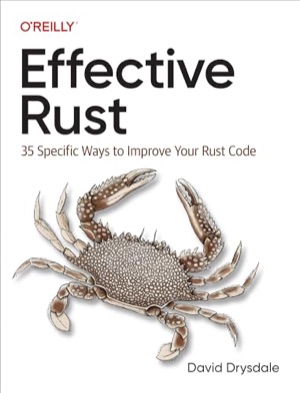
Effective Rust: 35 Specific Ways to Improve Your Rust Code
35 numbered items, in the Effective-series tradition, on writing idiomatic Rust — types, traits, error handling, dependencies, and tooling.
Hand-picked, honestly reviewed Rust books for beginners and experienced systems programmers — no jacket copy, no paid placements.
35 numbered items, in the Effective-series tradition, on writing idiomatic Rust — types, traits, error handling, dependencies, and tooling.
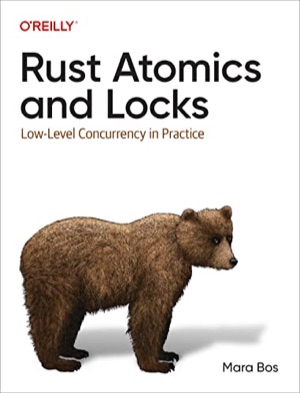
Builds a mutex, a spinlock, a channel, and an Arc from scratch on top of raw atomics and memory ordering, written by the lead of the Rust library team.
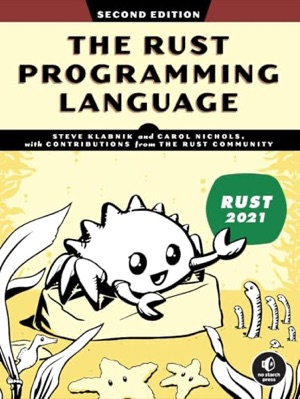
The official book on Rust, written with the Rust community, and the same text as the free online edition maintained alongside the language itself.
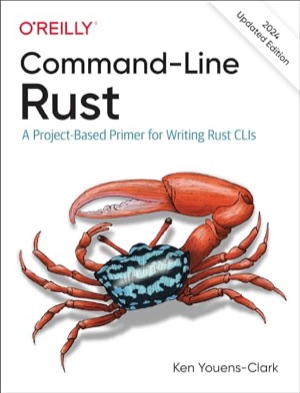
Teaches Rust by rebuilding classic Unix command-line tools (cat, wc, uniq, find, and more) from scratch, each with its own test suite.
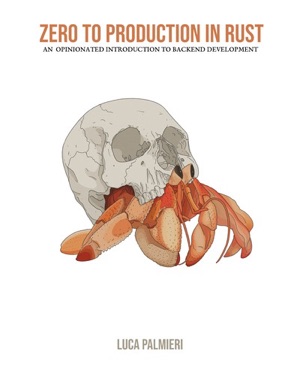
Builds a production email-newsletter API from an empty Cargo project through testing, auth, structured logging, and CI/CD, using the actix-web and sqlx ecosystem.
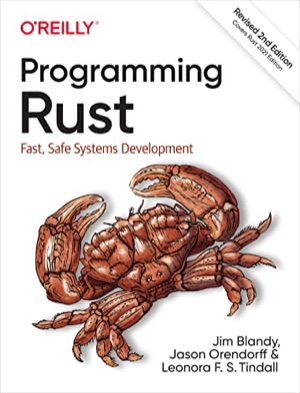
A systems-programmer's tour of Rust that goes further into memory layout, concurrency, and FFI than the official book, while still starting from the basics.
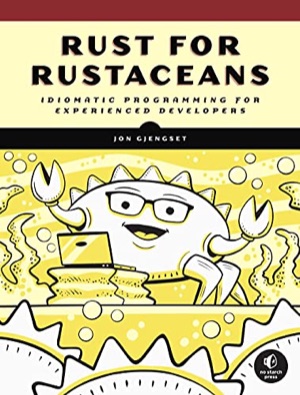
A second book for people who've already finished a first one — deep chapters on traits, lifetimes, unsafe code, concurrency, and library API design.
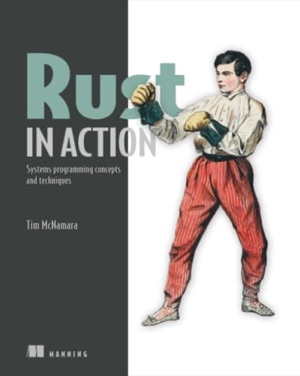
Teaches Rust through systems-programming projects — a CPU emulator, a toy TCP/IP stack, a mini key-value store — rather than through syntax-first chapters.